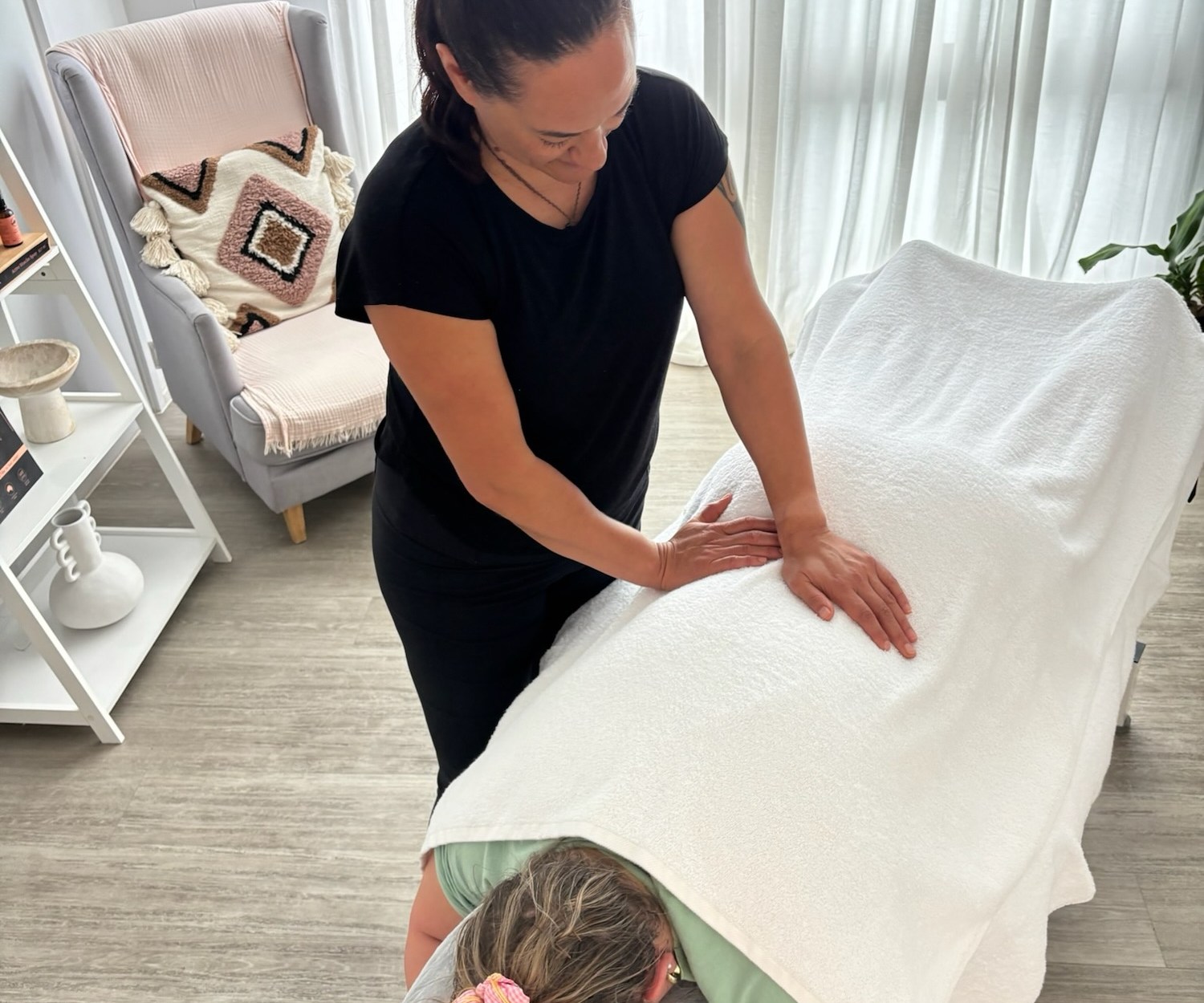

The Science Behind the Dr Vodder Technique
Lymphatic drainage massage is one of the gentlest forms of manual therapy, yet many people are surprised to learn that it can have significant effects on fluid movement, swelling and recovery.
Unlike deep tissue massage, lymphatic drainage is not designed to work deeply into muscles. In fact, if too much pressure is applied, the treatment becomes less effective.
So why is such a light touch used?
The answer lies in understanding the lymphatic system itself.
If you’ve already read our article “The Science Behind Massage Therapy,” you’ll know that different manual therapy techniques work in different ways. This article takes a closer look at one of the most specialised techniques available: Manual Lymphatic Drainage (MLD) using the Dr Vodder Technique.
What Is the Lymphatic System?
The lymphatic system is one of the body’s most important, yet often overlooked, systems.
It consists of a network of lymphatic vessels, lymph nodes and organs that help maintain fluid balance, absorb dietary fats and support immune function.
Every day, fluid naturally leaks out of tiny blood vessels into the surrounding tissues. Most of this fluid returns directly to the bloodstream, but some enters the lymphatic system as lymph.
Lymph contains water, proteins, fats, immune cells and waste products that need to be transported back into circulation.
Without an effective lymphatic system, fluid would continue accumulating in the tissues, leading to swelling.
Why Doesn’t the Lymphatic System Have Its Own Pump?
Unlike the cardiovascular system, which relies on the heart to pump blood around the body, the lymphatic system has no central pump.
Instead, lymph relies on several mechanisms to keep moving, including:
- muscle contractions
- breathing
- movement
- tiny contractions within the lymphatic vessels themselves
- one-way valves that prevent fluid from flowing backwards
Because lymph moves slowly and at relatively low pressure, it can sometimes become sluggish, particularly after surgery, injury or when the lymphatic system has been compromised.
This is where Manual Lymphatic Drainage may help support normal lymphatic flow in appropriate individuals.
Why Is Lymphatic Drainage Massage So Gentle?
One of the biggest misconceptions about lymphatic drainage is that deeper pressure must produce better results.
In reality, the opposite is true.
Most lymphatic vessels lie just beneath the skin.
Applying excessive pressure can actually compress these delicate vessels, making it more difficult for lymph to move.
The Dr Vodder Technique uses gentle, rhythmic and precise skin movements designed to encourage lymphatic flow without collapsing these superficial vessels.
This is one of the reasons why properly trained therapists use such a light touch during treatment. The effectiveness of the technique comes from understanding the anatomy and physiology of the lymphatic system, not from applying greater pressure.
What Is the Dr Vodder Technique?
The Dr Vodder Technique was developed in the 1930s by Danish physiotherapist Dr Emil Vodder and his wife Estrid Vodder.
Today it remains one of the most recognised and extensively taught methods of Manual Lymphatic Drainage worldwide.
Rather than simply following muscles, treatment follows known lymphatic pathways and drainage territories throughout the body.
The movements are slow, repetitive and performed in a specific sequence.
Each stroke gently stretches the skin rather than sliding firmly across it.
This precise approach is designed to encourage lymphatic vessels to increase their natural pumping activity while directing lymph towards healthy drainage regions.
What Happens During Treatment?
Although the treatment feels gentle, several physiological processes are thought to occur.
Current evidence suggests that Manual Lymphatic Drainage may:
- encourage lymphatic vessel contraction
- support the movement of lymphatic fluid
- reduce swelling in appropriate clinical situations
- improve superficial circulation
- stimulate parasympathetic nervous system activity
- promote relaxation
Many people also describe feeling lighter following treatment, particularly when swelling has been contributing to heaviness or discomfort.
It’s important to note that responses vary between individuals, and treatment outcomes depend on the underlying condition being addressed.
The Bigger Picture
Manual Lymphatic Drainage is very different from traditional massage.
Rather than focusing on muscle tension, it works with one of the body’s natural transport systems using gentle, specific movements designed to support fluid balance and recovery.
Its effectiveness isn’t determined by how much pressure is applied, but by understanding the anatomy and physiology of the lymphatic system.
For many people, it’s a reminder that in healthcare, the gentlest approach is sometimes the most appropriate one.
If you’re interested in learning more about how different hands-on therapies influence the body, you may also enjoy our related articles:
- The Science Behind Massage Therapy
- Why Different Massage Techniques Feel Different
- What Is Fascia and Why Does It Matter?
- The Science of Dry Needling
- Who Can Benefit from Lymphatic Drainage Massage? (Coming soon.)
References:
International Society of Lymphology (2023) The diagnosis and treatment of peripheral lymphedema: 2023 Consensus Document of the International Society of Lymphology. Lymphology, 56(4), pp. 178–203.
Földi, M., Földi, E. and Strößenreuther, R. (2012) Földi’s Textbook of Lymphology. 3rd ed. Munich: Elsevier Urban & Fischer.
Leduc, A. and Leduc, O. (2000) Lymphatic Drainage: Theory and Practice. London: Springer.
Mortimer, P.S. and Rockson, S.G. (2014) New developments in clinical aspects of lymphatic disease. Journal of Clinical Investigation, 124(3), pp. 915–921.
Oremus, M., Walker, K., Dayes, I., Raina, P. and Walker-Dilks, C. (2012) Systematic review: Conservative treatments for secondary lymphedema. BMC Cancer, 12, Article 6.

