
What Actually Happens in the Body and Why Muscles Twitch
Dry needling is one of those treatments people are often curious about, but not always sure what to expect.
- Some people swear by it.
- Others feel unsure about the idea of needles. And then there’s the big question:
What is actually happening in the body when dry needling is performed?
While it might look simple from the outside, dry needling interacts with the body in a very specific way, influencing muscle activity, the nervous system and how pain is processed.
If you haven’t already, it’s worth reading our article “The Science Behind Massage Therapy,” where we explain how manual therapy affects the body more broadly. This article zooms in specifically on what makes dry needling unique.
What Is Dry Needling?
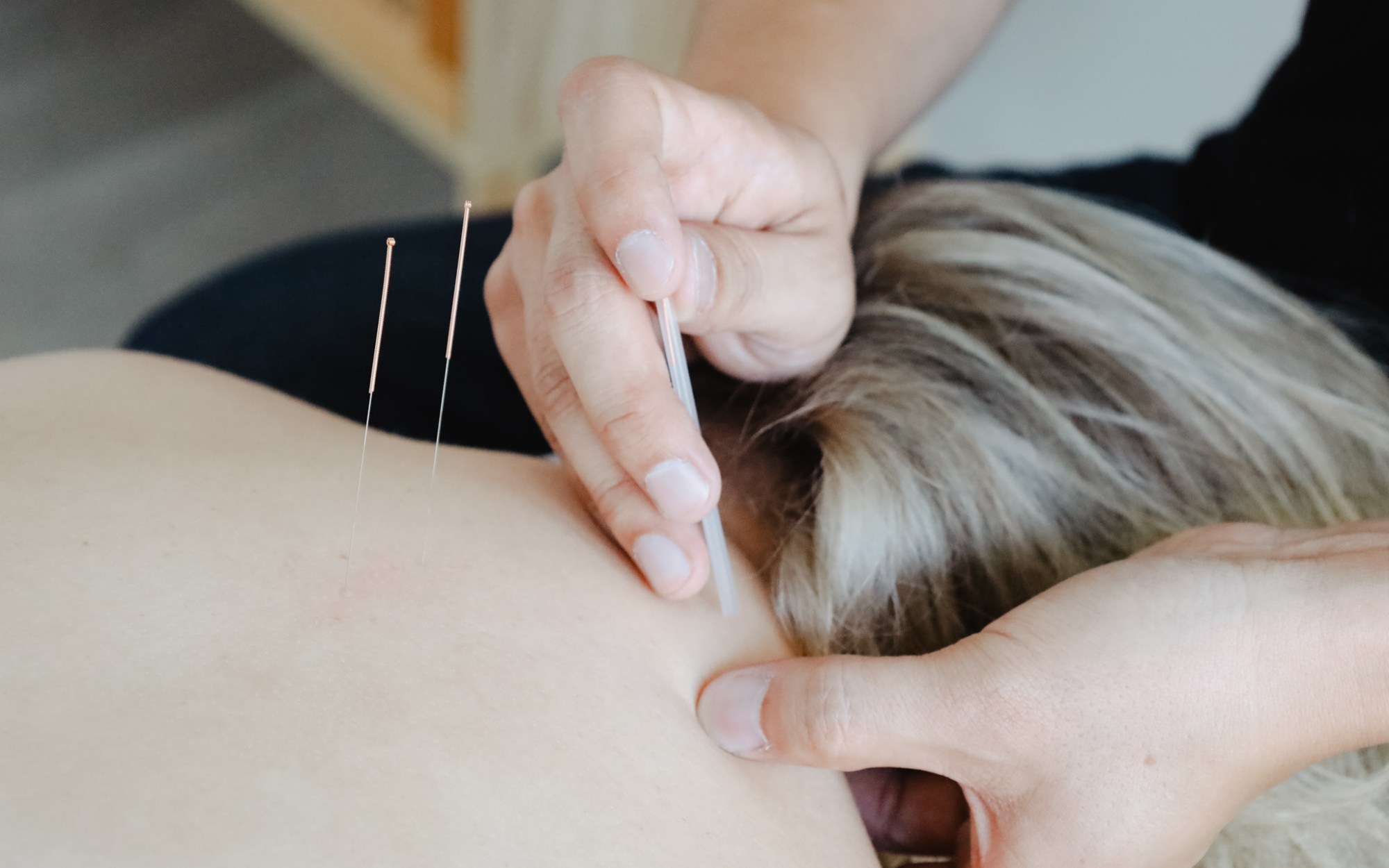
Dry needling involves inserting a very fine, sterile needle into muscle tissue, often targeting what are known as trigger points.
Trigger points are sensitive areas within a muscle that may be associated with local tenderness, referred pain, reduced movement and increased muscle tension.
These points can develop due to overload, repetitive movement, injury or sustained postures.
The goal of dry needling is not simply to “poke the muscle,” but to interact with the muscle and nervous system in a way that may help reduce sensitivity and improve function.
The Local Twitch Response
One of the most recognisable effects of dry needling is the local twitch response.
This is an involuntary contraction of the muscle that can occur when the needle stimulates a trigger point.
While it can feel surprising, this response is considered a normal part of treatment.
From a physiological perspective, the twitch response is thought to disrupt abnormal muscle activity, reduce excessive contraction within the muscle, alter communication between the muscle and nervous system and decrease sensitivity in the area.
Some research suggests that after this response, the muscle may return to a more relaxed resting state.
How Dry Needling Affects the Nervous System
Dry needling doesn’t just affect the muscle itself. It also influences how the nervous system processes signals from that area.
When the needle is inserted, it stimulates sensory receptors and sends input to the brain and spinal cord.
This may help reduce pain sensitivity, change how the brain perceives the muscle, decrease protective muscle guarding and improve movement patterns.
This aligns with modern pain science, where treatment helps the nervous system re-evaluate an area rather than simply fixing tissue.
Blood Flow and Local Tissue Effects
Dry needling may also influence circulation within the targeted muscle.
Research suggests that needling can increase local blood flow, which may help support tissue recovery and reduce the build-up of metabolites associated with muscle fatigue.
This change in circulation may contribute to the feeling of release or reduced tightness following treatment.
Chemical Changes in the Muscle
There is also evidence to suggest that dry needling may influence the chemical environment within a trigger point.
Some studies have shown that trigger points can contain higher levels of substances associated with pain and inflammation.
Dry needling may help reduce these substances locally, contributing to a decrease in pain sensitivity.
While this area of research is still developing, it provides another possible explanation for how needling can influence discomfort.
Why Does It Sometimes Feel Like a “Good Pain”?
Dry needling can feel intense, especially when a twitch response occurs.
This sensation is often described as a deep ache, cramp or brief contraction.
From a neurological perspective, this relates to how the brain interprets strong sensory input.
Similar to deep pressure massage, the sensation may temporarily override pain signals and create a shift in how the area is perceived.
Importantly, treatment should always be within a tolerable range and adjusted to suit the individual.
Does Dry Needling Fix the Problem?
Dry needling can be a helpful tool, but it is rarely a standalone solution.
Like most manual therapy techniques, it works best as part of a broader approach that may include movement and exercise, strength and mobility work, addressing load and lifestyle factors and education around pain and recovery.
The goal is not just to reduce symptoms temporarily, but to support longer-term improvements in movement and function.
Who Might Benefit from Dry Needling?
Dry needling may be appropriate for people experiencing persistent muscle tightness, trigger point-related pain, reduced range of motion, sports-related muscle overload and tension-related discomfort.
However, it is not suitable for everyone, and a proper assessment is always important before deciding if it is the right approach.
The Bigger Picture
Dry needling is not just about inserting a needle into muscle.
It interacts with the nervous system, influences muscle activity, alters local tissue conditions and changes how the brain perceives pain.
This combination helps explain why it can feel different from hands-on techniques like massage or myofascial work.
If you’re interested in how different techniques compare, you can also read our article “Why Different Massage Techniques Feel Different.”
Related Articles
- The Science Behind Massage Therapy
- What Is Fascia and Why Does It Matter for Pain and Movement
- Why Different Massage Techniques Feel Different
- Lymphatic Drainage Massage Explained
References:
Dommerholt, J. and Fernández-de-las-Peñas, C. (2013) Trigger Point Dry Needling: An Evidence and Clinical-Based Approach. Elsevier.
Shah, J.P. et al. (2005) Biochemicals associated with pain and inflammation in trigger points. Journal of Applied Physiology, 99(5), pp.1977–1984.
Kietrys, D.M. et al. (2013) Effectiveness of dry needling for upper-quarter myofascial pain. Journal of Orthopaedic & Sports Physical Therapy, 43(9), pp.620–634.
Liu, L. et al. (2015) Effectiveness of dry needling for myofascial trigger points. Archives of Physical Medicine and Rehabilitation, 96(5), pp.944–955.
#DryNeedlingGoldCoast #MyotherapyGoldCoast #TriggerPointTherapy #MuscleRecovery #SportsMassageGoldCoast #PainReliefGoldCoast #AlliedHealthGoldCoast #RemedialMassageGoldCoast

