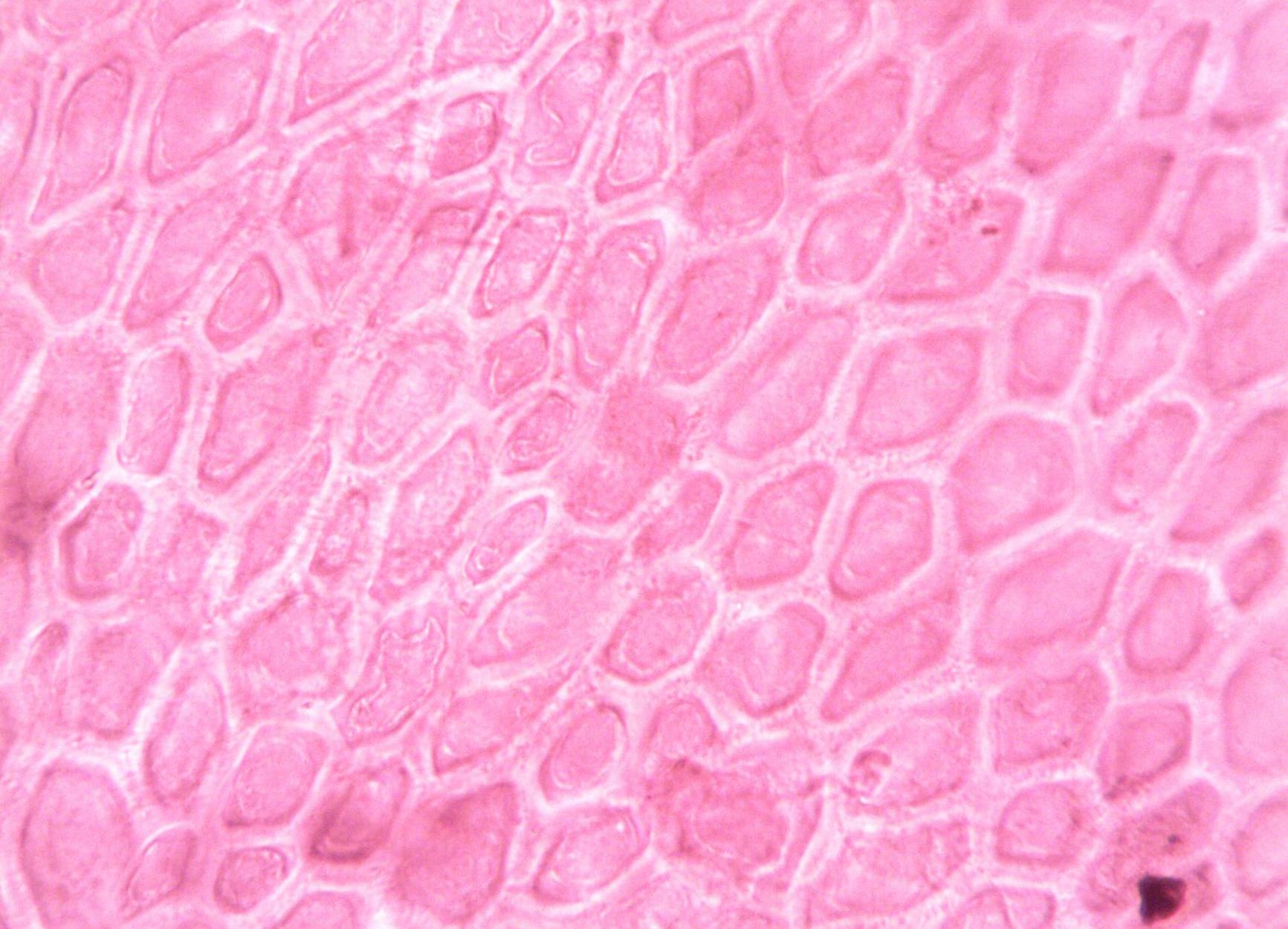

When people think about massage therapy or musculoskeletal pain, they usually think about muscles.
But muscles are only part of the story.
Running throughout the entire body is a continuous web of connective tissue known as fascia. This tissue surrounds and connects muscles, bones, nerves, blood vessels and organs, creating an integrated network that helps the body move, stabilise and adapt to physical stress.
Over the past two decades, fascia has become an increasingly important focus in movement science and manual therapy research. Understanding fascia helps explain why pain sometimes spreads beyond one area, why movement restrictions occur and why hands-on treatments can influence the body in surprising ways.
If you’re curious about the broader physiology of treatment, you may also enjoy our article “The Science Behind Massage Therapy”, where we explore how massage influences the nervous system, pain perception, circulation and muscle tension.
What Exactly Is Fascia?
Fascia is a specialised connective tissue composed primarily of collagen fibres, elastin fibres and a hydrated gel-like substance called ground substance.
Rather than existing as isolated pieces, fascia forms a three-dimensional network running throughout the body. It wraps around muscles, groups muscles into functional compartments and connects structures from head to toe.
A useful way to imagine fascia is like a flexible internal fabric that helps organise and support the body.
There are several layers of fascia, including:
Superficial fascia
Located just beneath the skin and containing nerves, blood vessels and fat.
Deep fascia
Surrounds muscles and helps transmit force between different structures.
Visceral fascia
Supports and stabilises organs within the body.
Together these layers allow the body to move as an integrated system rather than as isolated parts.
Fascia Is Rich in Sensory Nerves
One of the reasons fascia has attracted attention in recent research is because it contains a large number of sensory nerve endings.
These receptors can detect:
• pressure
• stretch
• vibration
• movement
• pain signals
This means fascia plays an important role in proprioception, which is the body’s ability to sense its position and movement in space.
Because fascia contains so many sensory receptors, irritation or restriction within this tissue may contribute to sensations of stiffness, tension or discomfort.
This may also help explain why manual therapy techniques that affect fascia can sometimes reduce pain even when the muscle itself is not the primary source of the problem.
Fascia Helps Distribute Force Through the Body
Muscles do not function independently. They work within fascial chains that distribute force throughout the body.
When one muscle contracts, some of that force is transmitted through fascial connections to neighbouring structures. This allows movement to occur efficiently and helps coordinate complex actions like walking, running or lifting.
For example, tension in the lower back may influence movement in the hips or legs through these connective pathways.
This interconnected system is often referred to as myofascial continuity.
Understanding this concept helps explain why therapists sometimes treat areas that are not exactly where pain is felt. A restriction in one region may influence movement somewhere else in the chain.
How Fascia Can Become Restricted
Healthy fascia is normally flexible, hydrated and able to glide smoothly between tissue layers.
However, several factors can influence the quality of fascial tissue, including:
• repetitive strain
• injury
• prolonged sitting
• reduced movement
• inflammation
• dehydration
• stress and nervous system tension
When fascia loses its ability to glide smoothly, it may feel stiff or restricted. These changes may contribute to reduced mobility or sensations of tightness within the body.
Importantly, this does not necessarily mean the tissue is permanently damaged. Fascia is adaptable and capable of responding to mechanical input such as movement and manual therapy.
How Massage and Manual Therapy May Influence Fascia
Massage and other forms of manual therapy apply controlled pressure and movement to soft tissues, including fascia.
Several mechanisms may explain how these treatments influence fascial tissue.
Mechanical pressure may help improve the gliding ability between tissue layers, allowing structures to move more freely.
Manual therapy may also stimulate fibroblasts, the cells responsible for producing and maintaining connective tissue. Research suggests these cells respond to mechanical stimulation and may contribute to tissue remodelling.
Another important effect occurs through the nervous system. Because fascia contains many sensory receptors, touch and pressure provide feedback to the brain that may help reduce protective muscle tension.
This neurological response is one reason people often report improvements in mobility and comfort following treatment.
Fascia and the Nervous System
Modern pain science highlights that pain is influenced not only by tissue condition but also by how the nervous system interprets signals from the body.
Fascial tissue communicates constantly with the nervous system through its sensory receptors.
When fascia becomes irritated or inflamed, these signals may increase the brain’s perception of threat in that region. This can lead to protective muscle tension or movement restriction.
Manual therapy, movement and exercise can introduce new sensory input that may assist the nervous system in recalibrating how it perceives that area.
This interaction between tissue and the nervous system helps explain why treatment outcomes often involve both physical and neurological changes.
Movement Is Essential for Healthy Fascia
One of the most effective ways to maintain healthy fascia is through regular movement.
Dynamic movement encourages hydration within the fascial matrix and helps tissues glide smoothly across one another.
Activities such as stretching, strength training, walking and varied movement patterns can all support fascial health.
Manual therapy may help restore mobility in areas where movement has become restricted, allowing people to move more comfortably and confidently.
Understanding Fascia Helps Us Understand the Body
Fascia reminds us that the body works as an integrated system.
Rather than treating muscles in isolation, modern musculoskeletal therapy considers the relationships between connective tissue, the nervous system and movement patterns.
This broader understanding helps therapists support recovery, improve mobility and reduce pain more effectively.
If you’d like to learn more about the broader physiology of treatment, you can read our article “The Science Behind Massage Therapy”, where we explore how massage influences the nervous system, muscle tension, circulation and pain perception.
Related Articles
If you enjoyed learning about fascia, you may also like these articles:
The Science Behind Massage Therapy
How massage influences the nervous system, pain perception and muscle tension.
Why Different Massage Techniques Feel Different
Understanding the science behind deep tissue massage, myofascial release, dry needling and cupping.
The Science of Dry Needling
What happens in the body during dry needling and how it influences muscle tension and trigger points.
References (Harvard Style)
Findley, T. (2012) Fascia research from a clinician/scientist’s perspective. International Journal of Therapeutic Massage & Bodywork, 5(1), pp.1–6.
Schleip, R., Findley, T., Chaitow, L. and Huijing, P. (2012) Fascia: The Tensional Network of the Human Body. Edinburgh: Churchill Livingstone.
Schleip, R., Jäger, H. and Klingler, W. (2012) What is fascia? A review of different nomenclatures. Journal of Bodywork and Movement Therapies, 16(4), pp.496–502.
Stecco, C., Stern, R., Fantoni, I., De Caro, R. and Stecco, A. (2009) Fascial layers and their innervation. Clinical Anatomy, 22(1), pp.127–138.
Wilke, J., Krause, F., Vogt, L. and Banzer, W. (2016) What is evidence-based about myofascial chains? Archives of Physical Medicine and Rehabilitation, 97(3), pp.454–461.
#Fascia #GoldCoastMassage #GoldCoastBusiness #Science #GoldCoastFascia
 nxtlevelih.com