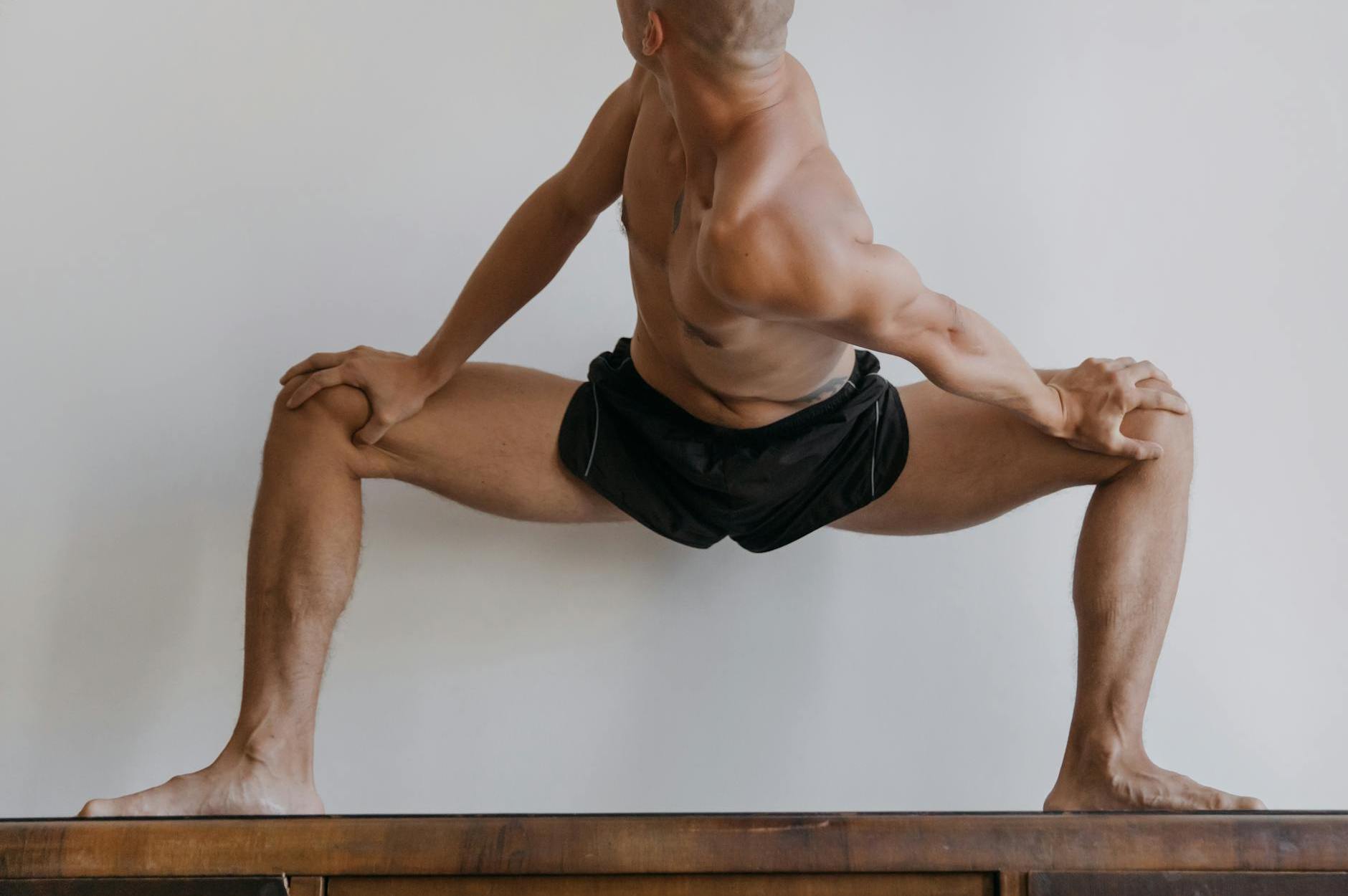

If you’ve ever been told to “just stretch more” to fix that persistent hip or lower back ache, you’re not alone. The internet is full of recovery tools; foam rollers, massage guns, compression boots, ice bath etc. While many of these have their place, at Nxt Level, what we consistently find as clinicians is this: nothing replaces regular joint mobility work.
Let’s break down what joint mobility really is, why it matters, and how it supports recovery, not just in injury management, but in helping you move and feel better long-term.
What is Joint Mobility?
Joint mobility refers to how freely a joint moves through its full range of motion. It’s not just about flexibility (which focuses more on muscles and soft tissue), but about the quality of motion in and around the joint itself, including the joint capsule, ligaments, and surrounding muscles.
Why It Works: The Science Behind Mobility
🧠 Muscle Spindle Reset
When you move a joint slowly and with control, especially through end ranges, you stimulate muscle spindles; special sensory receptors in your muscles that detect stretch and help regulate muscle tone.
👉 Over time, this helps your nervous system adapt to increased range, reducing the “tight” sensation and improving coordination and movement control.
🧴 Joint Capsule Hydration & Health
Inside each joint is a capsule filled with synovial fluid, which acts like oil in an engine; reducing friction, nourishing cartilage, and aiding in shock absorption.
🌀 Regular mobility work stimulates synovial fluid production, keeping the joint lubricated and healthy. This is especially important for areas like the hips and spine, which bear a lot of load throughout the day.
💡 Neuro-Mechanical Feedback Loop
When you consistently move your joints through their range (think hip circles, spinal rotations, controlled leg lifts), you’re retraining the brain to feel safe in those positions. This can reduce pain signals, increase movement confidence, and create a more stable foundation for strength and injury prevention.
Why It Helps That “Niggly” Spot (You Know the One)
We all have those areas; lower back tension, tight hips, achy shoulders that feel like they never fully resolve. For many of our clients, especially those without a clear injury, consistent joint mobility is what finally moves the needle.
It’s not a magic cure, especially for chronic or complex injuries. But for everyday aches, stiffness, and recurring tension, mobility work tends to the joints like brushing your teeth tends to your gums. You don’t wait until there’s a problem – you maintain.
The Benefits of a Consistent Mobility Routine
🧘♀️ Improved range of motion and joint function
🏋️ Better strength output and movement control
🛠️ Reduced stiffness and “tight” sensations
⏳ Enhanced recovery between treatments
🧠 Improved proprioception and movement awareness
🌀 Supports nervous system regulation for pain relief
Bottom Line
Joint mobility isn’t flashy. It’s not a $500 device or the newest trend. But if you’re dealing with tight hips, a grumpy lower back, or a body that feels “niggly” more days than not, it might just be the foundation you’re missing.
If you’re not sure where to start, flick us a message or comment on this post. We’re more than happy to guide you through a few key movements that match your body’s needs and help you build a recovery routine that actually sticks.
#JointMobility #MobilityMatters #RecoveryRoutine #GoldCoastHealth #GoldCoastMassage #MyotherapyGoldCoast #MobilityTraining #HealthyJoints #MoveWellFeelWell #MobilityForRecovery #PainReliefGoldCoast #BackPainRelief #HipMobility #InjuryPrevention #GoldCoastMyotherapy #GoldCoastLife #MobilityTips #TherapistApproved #MuscleHealth #ActiveRecovery #StretchAndStrengthen #GoldCoastWellness #GoldCoastFitness #AlliedHealthGoldCoast #NxtLevelIH
 nxtlevelih.com